The Veggie Table
David Simpkin gives advice on growing your own food crops
Watch out for blight and the grey mould, botrytis, as the weather turns warm and humid. Especially if plants are under cover, improving air-flow will help to create drier conditions and protect against these afflictions. To help prevent blight, Bordeaux mixture can be applied to potatoes and tomatoes now, then again in a few weeks. I would add seaweed concentrate to the mix and spray onto the foliage. Seaweed concentrate sprayed on everything green in the garden gives a real fillip to all plants and helps them to resist infection and pests. Spraying once a month will keep them strong and healthy.
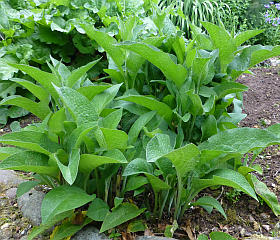 Another fantastic food for your plants is a ‘tea’ made from comfrey left to stand in water for a week. It smells as foul as pig poo but your plants will love it! If you have space in your garden for a permanent comfrey patch, try to get ‘Bocking 14’ which is nutritionally superior to other strains. Autumn peas like Kelvedon Wonder should be sown now, and it’s worth chancing another sowing of mange- tout. Further sowings of lettuce, endives, turnip and beetroot can be attempted too.
Kohl Rabi is a very useful crop that can be started now. When young the globes can be grated raw onto salads and the leaves used like spinach. Older ones are great in soups and stews. Chinese cabbage can be sown in situ to be used in the coming autumn, and so can spring cabbage like Durham Early, which will give you a good crop for use next year.
To encourage youngsters to garden, get them to grow radishes, which are unfailingly obliging. The smaller varieties can be sown in seed trays on your windowsill.