Book Review
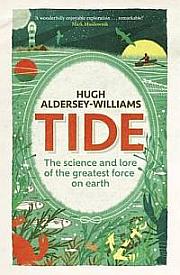
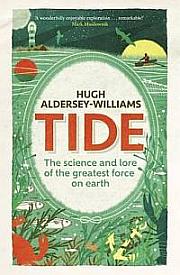
Tide by Hugh Aldersey-Williams, published by Viking (£18.99).
Most of us who live on Arran take the tide for granted, unless we have a boat or unless our trip to the mainland is delayed by “an unusually low tide at Brodick pier” as CalMac puts it. But what is this thing called the tide?
 Horatio Clare in the Guardian wrote that “The subtitle of this book gives pause. The greatest force on Earth? Typhoons, volcanos and earthquakes humbled by a few metres’ change in the level of seawater? There is little in the early chapters to enforce the claim. Hugh Aldersey-Williams begins with a trip to the shore near his Norfolk home, preparing the reader for “Nature’s greatest marine performance”. The action begins an hour or so after high water. The tide ebbs. Twelve hours and 30 minutes later it has returned and started to fall again. The author notes froth, gulls and vegetation. Subsequent journeys to Venice to observe work on the lagoon’s tidal barrage, and the Bay of Fundy in Nova Scotia to watch a tidal bore roll up the Shubenacadie River are not thrilling.”
“Aldersey-Williams is no travel writer, though his material is often arresting. The Bay of Fundy shifts 160bn cubic metres of water every tidal cycle, moving 4m cubic metres, each weighing a tonne, per second. The author makes little fuss, unconcerned to transmit delight, amazement or urgency as he unfolds the story of how humans have come to grips with the science of tides, from Aristotle to the researchers of today. But he is taken by his subject and as the book progresses it exposes new facts and ideas every other page.”