
Photos from Mo
Mo Khan of Dippen sends us some great photographs. He explains how they were taken and adds technical details, as follows:
Curlews
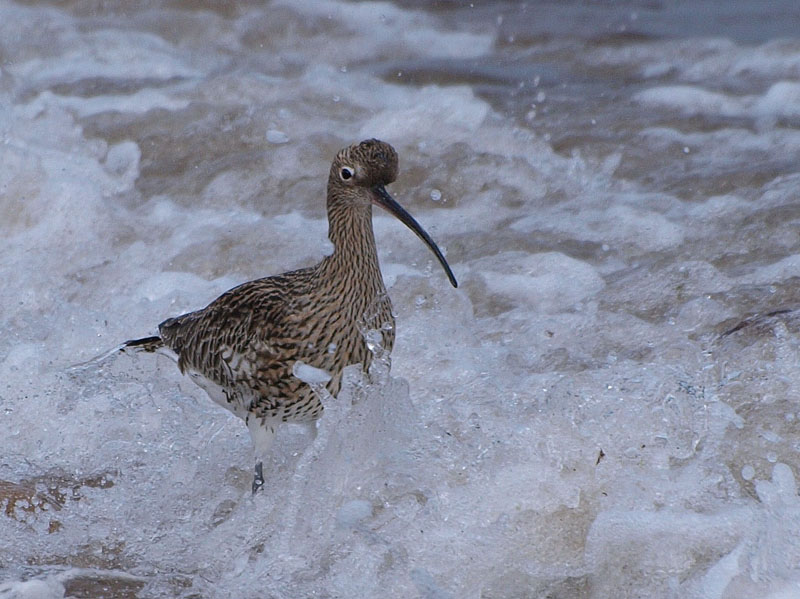
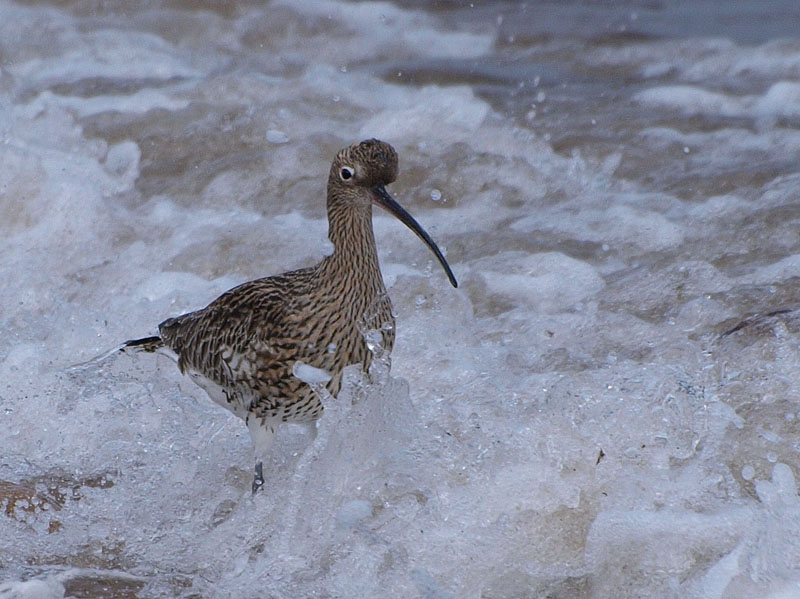
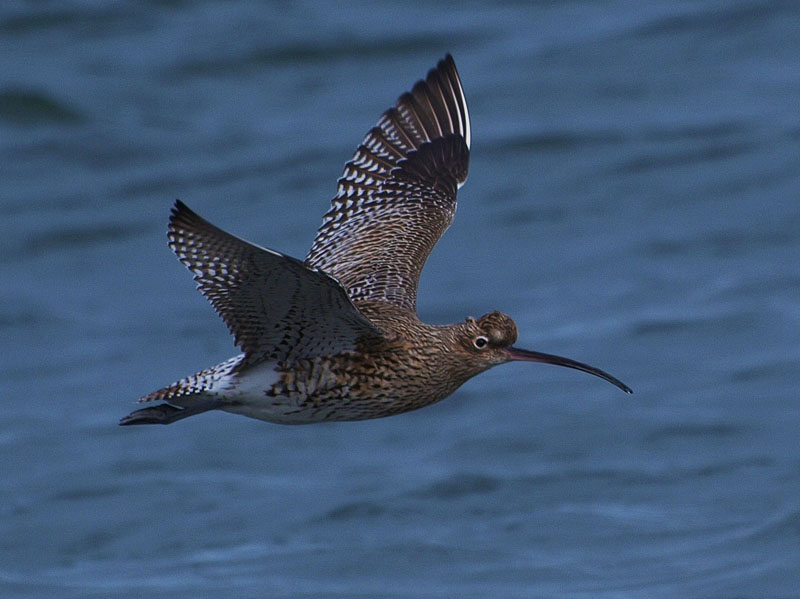
These shots were taken on a bright but very windy day with a very high tide. Conditions such as this are perfect for getting up close to waders and other shore birds as they are hemmed in by weather and tide, but still feeding amongst sea weed and detritus on the shore.
I particularly like the picture of the curlew wading, which shows something of the environment and conditions the curlew lives in. One can almost feel the wind chill.
The curlew in flight, another shot that I am pleased with as one usually is not able to get so close and be blessed with perfect levels of light that enable a hefty zoom lens to be used, hand held, at high shutter speeds to freeze the action.
Technical details
Camera; Olympus E510 with 150- 300mm Olympus zoom-
35mm equivalent 300-600mm. ISO 400.
Curlew shoreline-300mm @f 7.1 1/1600 sec
 Cloudscape. Ailsa Craig
This photo was taken on the 16th December 2010 just as a massive low pressure weather system moved down from the North. The elemental nature and massive scale of the scene developing encouraged me to hang about for an hour in sub zero temperatures . The dramatic light on the sea appears to make the horizon sag under the weight of the snow cloud. We all know what happened next.
40mm @f16 1/640 sec.
Cabbage White Butterfly Larvae and eggs
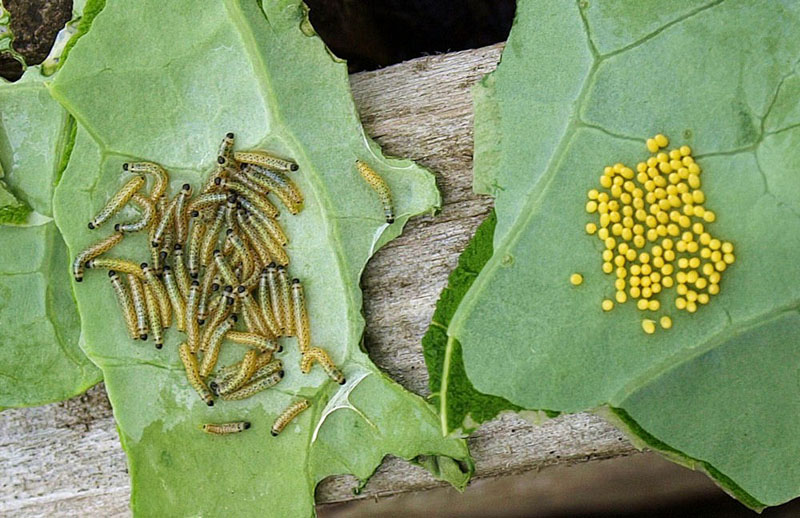
Most people are familiar with the Large or Cabbage White Butterfly that dithers through our gardens from spring to autumn. It is probably the commonest butterfly in Europe, together with its cousin the Small White. However, its caterpillars rank highly as garden pests, along with slugs and aphids. The Large White lays its eggs in large batches unlike the Small White which lays single eggs widely dispersed. The larvae stay together in a colony after hatching then disperse through the crop as they grow. Unchecked, the caterpillars can reduce cabbages and other brassicas to skeletons and foul up the insides of lovingly tended cauliflowers.
In the past infestations were dealt with by using very toxic ‘off the shelf’ pesticides that had a knock-on effect on other wildlife and probably humans as well. Many of these chemicals are now banned but help is always at hand in the form of a tiny drop of washing up liquid in water and sprayed on the affected crop, along with vigilance. This has the effect of destroying the caterpillars’ waxy skin. A refinement may be to add some garlic juice to the sprayer, which may help to mask the aroma of cabbage that attracts the butterflies to lay.
This method of pest control also works well against aphids and gooseberry sawfly larvae. I wonder why the chemicals industry went to such great effort to poison us for our own good!


