The Clyde 2020 Scottish Parliament debate
reported by Jim Henderson
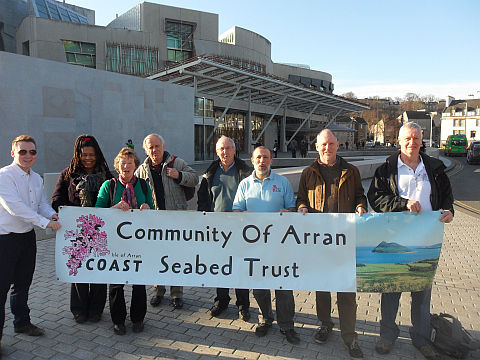
On Tuesday 11th March, with 9 other members of COAST and the owners of Creelers Restaurant, I travelled to Edinburgh to attend a debate on the state of the Clyde waters after 30 years of 3-mile limit removal. We were joined in the gallery with representatives of SIFT (Sustainable Inshore Fisheries Trust) and CFA (Clyde Fishermen’s Association).
Arran’s SNP member Kenneth Gibson MSP presented Motion S4M-08449, proposing that Parliament should acknowledge the commitment of Scottish ministers to meet the requirement of the Marine Strategy framework directive to return the Clyde to good environmental status by 2020.
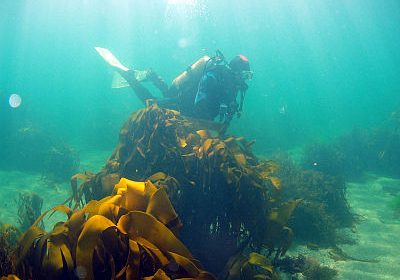
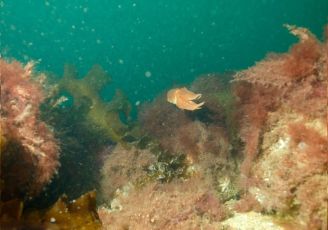
Mr Gibson’s introduction showed the proven success of the No Take Zone (NTZ) in the space of only 5 years. The protected area is only 1 sq. mile of the Clyde, at the north entrance to Lamlash Bay, but already the clams and queenies that had been so badly affected by scallop dredging are more abundant and larger in size. Lobsters, too, in the same protected area and its immediate surrounds, are larger and more numberous.
Mr Gibson drew the chamber’s attention to the number of people who had travelled some distance to be present at the debate. He congratulated the members of COAST (formed in 1995) on the voluntary work being carried out to halt the decline of the Clyde, which has deteriorated since the removal of the 3-mile limit in 1984. The resultant over-fishing had severely affected local employment and recreational fishing, which is a right of the public. Mr Gibson described the serious state of the Clyde, where the only remaining commercial fisheries were trawling for prawns and dredging scallops, other species having been almost totally wiped out.
 There is now a statutory duty to improve the eco-system through a marine strategy supported by interested parties including COAST, SIFT, CFA, MSO, and The Wildlife Trust. The proposed Protected Area (MPA) for the South of Arran aims to improve the eco system of the inland waters of the Clyde, which in turn would develop tourism and create local employment. This economic argument is gaining strong public support, and is important both as a benefit to the Clyde Estuary to local inhabitants.
All the speakers taking part in the debate congratulated Mr Gibson for bringing the members’ business to parliament, recognising the knock-on effects of the past 30 years of over-fishing. The environmental minister Richard Lochhead said the protection of the Clyde in all its aspects was vital and all stakeholders would be consulted. The subject would remain on the agenda of Scottish Parliament.
The most important question remained unanswered, and it is this:
With growing support and approval from the public for the proposed South of Arran MPA, why are Marine Scotland and the Scottish Government not showing leadership to protect the eco system, not only around Arran but in the entire coastline of Scotland?