Corrie trip to Ailsa Craig
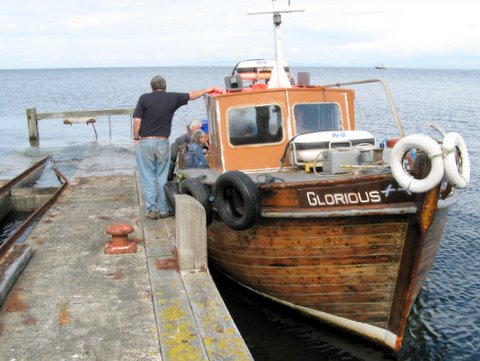
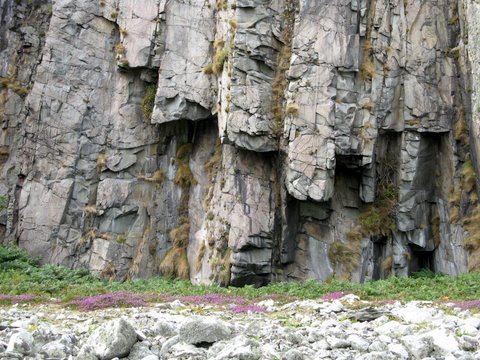
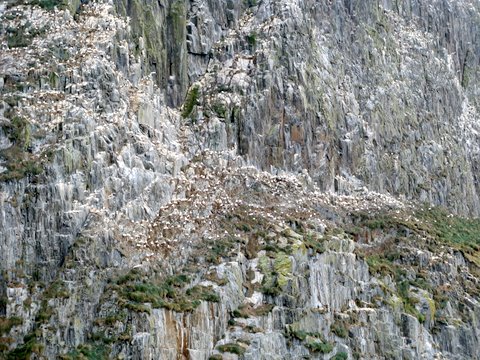
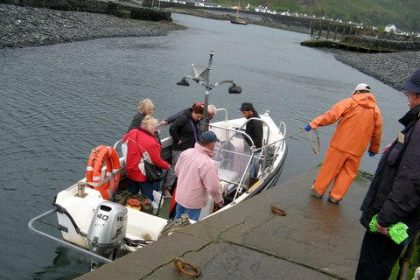
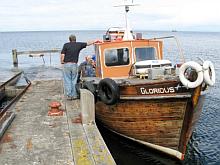
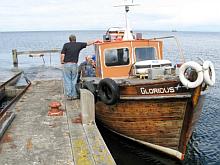 On the wet morning of August 4th, ten people, mostly from Corrie, drove down to Girvan and went on a fishing boat to Ailsa Craig, that sugar-loaf-shaped island that stands out of the sea beyond Pladda. The boat’s owner was out to check his lobster creels, but he obligingly circled the Craig so that we could see the thousands – perhaps millions – of gannets that nest on the northern cliffs of the steep island. There were so many that they looked like colonies of white flowers decorating the astonishing natural architecture of the rocky columns and gulleys. As David Underdown said with poetic insight, ‘It looks like some Victorian fountain table feature.’ Frozen sugar-guano, arrested in mid-flow. More frivolously, a flight of puffins rushed ahead of the boat, their little wings working overtime.
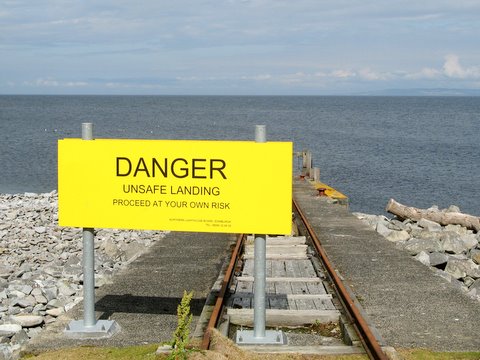
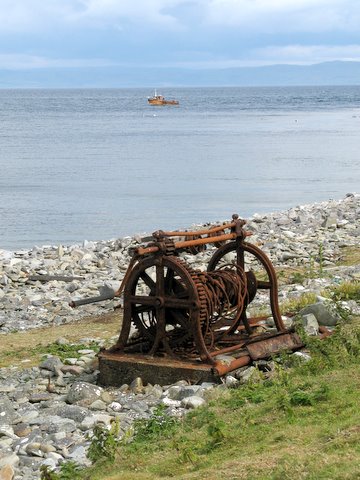
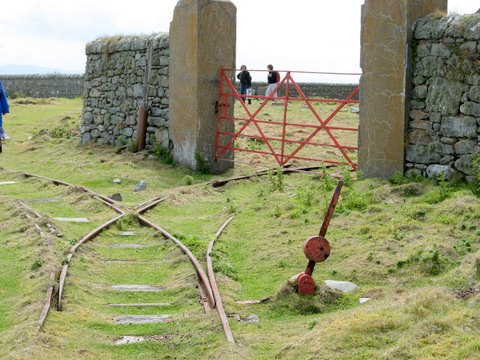
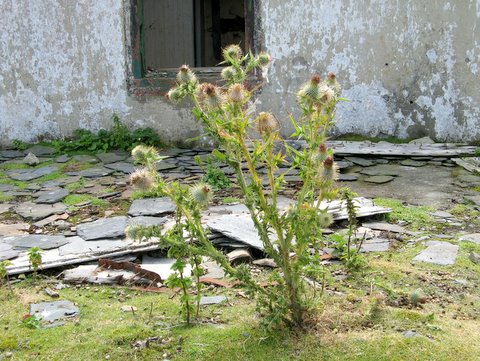
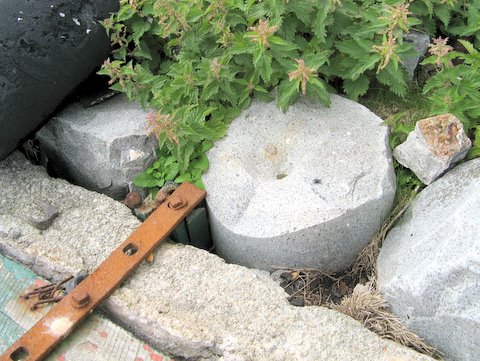
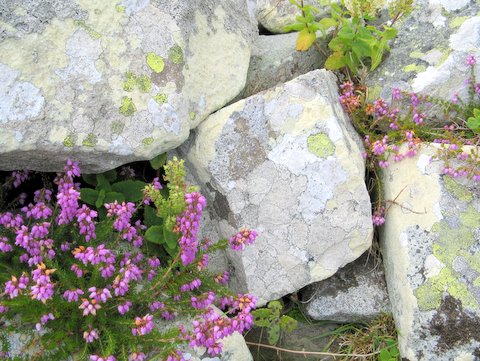
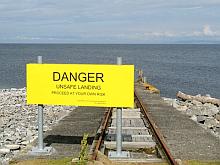 Completing the anti-clockwise circuit, we came back to the landing stage and ignored its severe notices warning that any persons setting foot on it did so at their own risk. The sun shining and the grass was full of flowers and rabbit droppings and sometimes the bones of the birds that live and die there. Dotted about forlornly were the abandoned artefacts left from the days when a colony of people lived there – a stone bread oven, a winch, the remains of an engine, a derelict gas stove with foxgloves growing beside it. There used to be a living on the Craig, when people hewed the fine granite for the making of Scotland’s best curling stones. They’d built a narrow tramway to carry the hefty blocks from the quarry place to the quay, and had a donkey to help with traction. The eroded sleepers are still in place, and sometimes the rails, with a set of points where the line branched. There was a haulage system in place, with pulley wheels to stop the rope chafing against rocks. A baby slow-worm, temporarily held in place under a walking boot, slid smoothly away when released, not by the head-then-tail method that true worms use, but moving all over, like the khaki-golden legless lizard that it is. Every stone is covered in glorious patching of turquoise-grey and lemon-yellow lichen, half-buried in heather and abundant mosses.
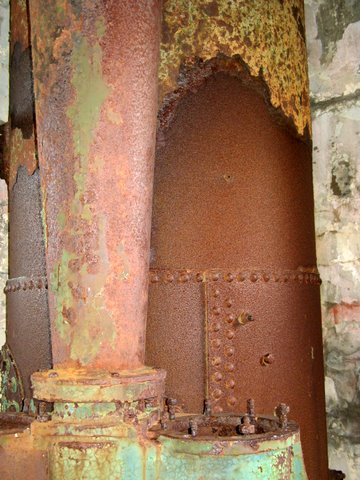
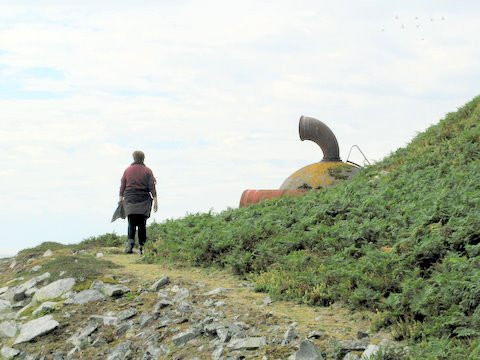
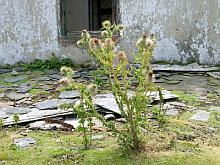 After a picnic lunch outside what used to be the dwelling-house, some people tackled the steep climb up to the fort on the hill, built in the 14th century from a small quantity of sandstone found among the granite. The less energetic walked along the shore, making for the astonishing foghorn built to warn shipping of the hazard that the island presented. Housed in a kind of small temple, its massive curved horn still stares out to sea, silent now, through its bellow could be heard from miles away. It worked, amazingly, on compressed air. Most of the pipes have rusted away, but the mechanism can still be seen. Had the little colony managed to last out a few more years, until the advent of the Internet and easy communication, they might still be there to this day. At that time, human physical ability was their only asset, and the deaths of men whose strength and skill were essential to that way of life brought it to an end. We looked back across the wake of the returning boat with some regret, for the rocky island remains a strangely tranquil place, brooking no argument but secure in its intrinsic strength.
Click your mouse on any of the pictures below to see a larger version.